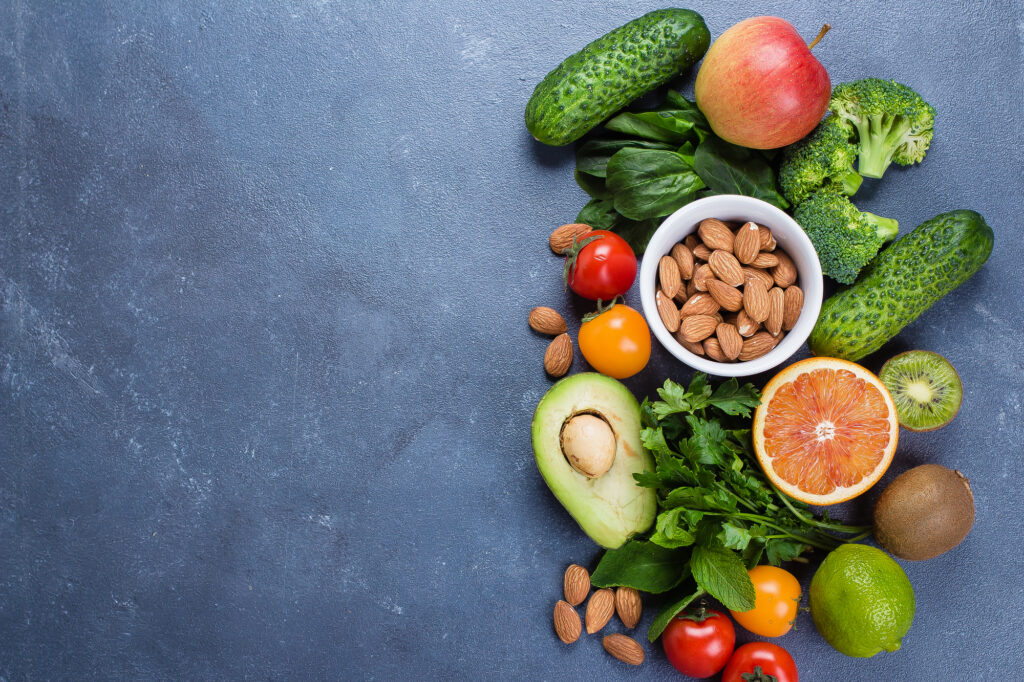
Daily recommendations for Intermittent Fasting
The 16/8 intermittent fasting method is based on 16 hours of fasting and 8 hours of eating. The 8-hour window can include breakfast + lunch + dinner or lunch + dinner and 1-2 snacks. This choice depends on individual preferences between breakfast and dinner. Snacks should not exceed 100 calories in total, and should not include more than 3-5 g of sugar.
Your body won’t only begin to burn fat, while fasting, but it will also activate important processes: metabolism, growth and regeneration of tissues, autophagy, the production of insulin will be decreased, etc. Given certain changes of the body and the launch of biological processes, a certain reaction of your body is possible in the first week and a half. That’s fine, and even more so, it indicates that the process of losing weight has begun.
So, what awaits you with the 16/8 diet.
First you need to determine the meal schedule and fasting period, the most popular options are:
- Breakfast at 8:00, a hearty lunch at 12:00-13:00, dinner at 16:00, individual time for snacks, next meal in 16 hours
- Breakfast at 9:00, a hearty lunch at 13:00-14:00, dinner at 17:00, individual time for snacks, next meal in 16 hours
- Breakfast at 11:00, lunch at 14:00-15:00, dinner at 19:00, individual time for snacks, next meal in 16 hours
- Breakfast at 12:00, lunch at 15:00-16:00, dinner at 20:00, individual time for snacks, next meal in 16 hours
These are the most common schedules used for intermittent fasting. You can determine, which meal times and fasting periods work best for you. The main point is to adhere to a 16/8 breakdown.
Important: regardless of the method, the daily diet should be balanced and contain enough proteins, fats, carbohydrates, vitamins and minerals necessary for the full functioning of the body. Thus, we offer a daily menu specifically designed by a nutritionist.
In order to have a smooth and comfortable introduction to intermittent fasting, we recommend spending two to three days to prepare. During your prep days, try to include light meals like raw, fiber-rich vegetables, legumes, and nuts in your diet. Avoid foods high in starch and sugar. Gradually reduce the size of your meals. Don’t forget to keep hydrated.
Day 1
Almost everyone gets through the first day quite easily. The best menu for this day should consist of a sufficient amount of carbohydrates, so make sure to eat more fresh greens, vegetables, fruits, dairy products (don’t forget that the fat content shouldn’t be higher than 5%), nuts, fish (tuna, chum salmon), legumes, cereals. Stay hydrated. If you feel hungry between meals, you can drink clean still water or green tea, they help suppress the desire to eat something.
Day 2
There’s a possibility of a heightened feeling of hunger, stomach growling, a slight headache. All this testifies that the restructuring of your body has already begun. It is important not to break schedule, and only start eating at the appointed time. The menu should contain lean meats, eggs, legumes, dairy products with up to 5% fat content, fresh vegetables and fruits, especially citrus fruits, which are rich in fiber and vitamins. Nuts (almonds, walnuts) would be perfect for a snack. The headache can be relieved by salty non-carbonated mineral water.
Day 3
There’s a possibility of changes in stool (harder than usual) and in the number of bathroom visits. This means that the intestines begin to work in a new way. In case of such problems, it is recommended to eat plenty of fresh and dried fruits by including them in the main menu and the snacks. These can be prunes, apples, kiwi, citrus fruits, spinach, etc. Main dishes should include legumes (especially beans), low-fat kefir, bran, whole grain bread, Jerusalem artichoke, artichoke, sweet potato.
Day 4
Due to the obsessive feeling of hunger, sleep problems may occur. This problem is more common in those who are accustomed to going to bed on a full stomach or have a habit of taking a nap after a heavy meal, for example, after lunch. Now the body refuses to fall asleep without food.
In such cases, it is better to plan the main diet to include fish (especially salmon), cabbage, oatmeal, eggs, milk. Also, be sure to include bananas, cherries, honey, blue grapes, almonds in snacks.
Between meals and during the fasting period, we recommend drinking clean still water, it will help trick the stomach.
Day 5
Dizziness and weakness may occur. It is most probably due to the unbalanced diet that a person consumes during the eating window. Please pay attention to what and how much you eat – the menu should contain the required amount of proteins, fats, carbohydrates and vitamins. Be sure to eat fish, vegetables (steamed or stewed), beef, syrniki and cottage cheese casseroles, puree soups, etc. Stay hydrated. If you feel dizzy, drink natural pomegranate juice (directly squeezed), green or jasmine tea, rosehip decoction, eat fresh greens, especially parsley.
Day 6
You may face decreased efficiency, frequent belching, and stomach discomfort, which can be relieved by drinking still mineral water. Oatmeal (preferably unpeeled), lean fish, legumes, poultry or beef, wheat grits (couscous), brown rice, egg whites, celery, buckwheat, bananas may help with belching.
You can ‘start’ the body and improve the overall vitality by eating honey, oatmeal, pumpkin seeds, avocado, broccoli. You can choose almonds, fresh berries, a little bitter chocolate and black coffee for a snack, but remember that you shouldn’t drink more than 2 cups of coffee per day.
Decreased efficiency is, among other things, a psychological factor, which you will have to overcome on your own.
Day 7
Again, changes in stool (constipation) and the number bowel movements may occur. This is due to a decrease in the amount of food eaten, which entails a decrease in the number of bowel movements. In the absence of discomfort, there is no need to worry. If there is discomfort, mild laxatives may be used. In terms of food, it is worth giving preference to fresh fruits, dried fruits (especially prunes), legumes, fermented milk products, bran, cabbage, nuts, etc.
Day 8
Muscle spasms may occur. They can be quite easily stopped with foods high in protein and magnesium. Their main sources are sesame and flaxseed oil, cheese, cottage cheese and dairy products (fat content up to 5%), lean meat and fish (perch, cod, sturgeon, halibut), wheat bran, lentils, chickpeas, peas, brown rice, ginger, pumpkin, cherry, kiwi, raspberry. Snacks may include a small amount of dark chocolate, cashews, almonds, hazelnuts.
Day 9 and beyond
The abovementioned effects can be observed. It is normal for interval diets, and fasting in general, provided that they don’t cause severe discomfort.
It is important to understand now that the most difficult period (the period of adaptation and habituation) has already passed. Don’t give up, drink water, do something interesting, distract yourself, and stick to the dietary guidelines.
Important: after completing the course of intermittent fasting, it’s important to get out of it smoothly, without overloading the stomach with food and the number of meals. Remember, the stomach has gotten smaller, and smaller, but more frequent meals are better than large meals two to three times a day. The menu from prep period may be repeated.